Love pets and want to turn your passion into an online business? Then you can Start a Pet Blog and Make Money in 2026 by following this Step-by-Step Guide.
The pet industry is one of the fastest-growing markets in the world. According to market research, the global pet care market is projected to reach $289 billion in 2026 and could surpass $499 billion by 2034. As more people treat pets like family members, spending on pet food, healthcare, grooming, accessories, insurance, and training continues to rise.
This growing demand has created huge opportunities for content creators and bloggers. Today, pet blogs generate income through affiliate marketing, display ads, sponsorships, and even their own products.
Some pet bloggers earn a few hundred dollars a month, while established websites generate thousands of dollars every month. The best part? You don’t need to be a veterinarian or a professional trainer to start a successful pet blog.
In this guide, you’ll learn:
- Why pet blogging is still profitable in 2026
- Examples of successful pet blogs
- How to choose a profitable pet niche
- How to set up your blog in less than 30 minutes
- Proven ways to drive traffic and make money
- Multiple income streams available to pet bloggers
Whether you’re passionate about dogs, cats, birds, rabbits, fish, or exotic pets, this step-by-step guide will show you exactly how to build a profitable pet blog from scratch.

WHY You Must Start a Pet Blog in 2026
Pet blogging isn’t just a hobby anymore. Thanks to the booming pet industry and increasing online spending, it has become a legitimate way to build a long-term online business.
Here are some reasons why 2026 is a great time to start a pet blog:
- The pet care industry is booming. The global pet care market is expected to reach nearly $289 billion in 2026 and continue growing in the coming years. Pet owners are spending more money than ever on food, healthcare, insurance, toys, accessories, and training.
- Pet owners constantly search for information online. Millions of people use Google every day to find answers about pet care, nutrition, grooming, and product recommendations. This creates endless opportunities for bloggers to attract traffic.
- There are multiple ways to make money. You can monetize a pet blog through affiliate marketing, display ads, sponsored posts, digital products, memberships, and even your own ecommerce store.
- You don’t need millions of visitors. Even a niche pet blog with highly targeted traffic can generate a few hundred to several thousand dollars per month.
- Blog posts can generate passive income for years. Unlike social media posts that disappear quickly, a well-ranked article can continue bringing traffic and income month after month.
- You can turn your passion into a business. Whether you love dogs, cats, birds, fish, rabbits, or exotic pets, blogging allows you to share your knowledge while helping other pet owners.
- You own your platform. Unlike YouTube or social media, where algorithms constantly change, a blog is a digital asset that you completely control.
How Much Can a Pet Blog Make?
While earnings vary depending on traffic and monetization methods, here’s a realistic expectation:
| Monthly Traffic | Potential Monthly Earnings |
|---|---|
| 10,000 visitors | $100 – $500 |
| 25,000 visitors | $300 – $1,500 |
| 50,000 visitors | $1,000 – $3,000 |
| 100,000+ visitors | $2,000 – $10,000+ |
The biggest advantage of pet blogging is that you don’t have to build the next PetMD or Dogster to succeed. Even a focused niche blog can become a valuable online asset with consistent effort and the right strategy.
List of Top Pet Blogs That Are Earning Huge [Pet Blog Ideas]
If you’re wondering whether pet blogging is worth it, just look at some of the successful websites already thriving in this niche.
These blogs attract thousands (and in some cases millions) of visitors every month and generate revenue through ads, affiliate marketing, sponsorships, and ecommerce.
More importantly, they prove that you don’t need to create another PetMD. A focused niche and helpful content can go a long way.
Here are some of the best pet blogs to follow for inspiration.
1. Dogster
Dogster is one of the most popular dog blogs on the internet. It covers everything from dog breeds and training to nutrition and health.
Why it’s successful:
- Covers a single category (dogs).
- Publishes high-quality, helpful content.
- Monetizes through ads and affiliate marketing.
- Attracts hundreds of thousands of visitors every month.
2. Walkin’ Pets
Walkin’ Pets focuses on elderly, disabled, and handicapped pets. In addition to publishing useful content, the company also sells mobility products.
Why it’s successful:
- Serves a highly targeted audience.
- Combines content with ecommerce.
- Solves a specific problem for pet owners.
- Has built a trusted brand over the years.
3. Go Pet Friendly
Go Pet Friendly is dedicated to helping people travel with their pets. It shares destination guides, hotel recommendations, and travel tips.
Why it’s successful:
- Targets the growing pet travel niche.
- Builds authority around a specific topic.
- Uses affiliate marketing and partnerships.
- Attracts loyal readers and repeat visitors.
4. You Did What With Your Wiener?
Created by Jessica Williams, this blog focuses on hiking and outdoor adventures with dachshunds.
Why it’s successful:
- Proves that niche blogs can outperform broad websites.
- Targets a passionate audience.
- Generates revenue primarily through display ads.
- Shows the power of building topical authority.
What Can You Learn From These Blogs?
Although these blogs cover different topics, they all have a few things in common:
- They focus on a specific audience.
- They consistently publish valuable content.
- They solve real problems for pet owners.
- They monetize through multiple income streams.
- They treat blogging like a business, not a hobby.
The biggest lesson?
You don’t have to compete with giant websites from day one. Even a focused pet blog can become a profitable online business with consistency and the right strategy..
How to Build a Money-Making Pet Blog from Scratch [Follow Me Step by Step]
Starting a pet blog is much easier than most people think. You don’t need any coding knowledge or prior blogging experience. In fact, you can launch your own pet blog within 30 minutes and gradually turn it into a long-term income-generating asset.
Here’s the exact process I recommend.
Step 1: Pick a Profitable Pet Niche
One of the biggest mistakes beginners make is starting a general “pet blog.”
Broad pet websites have to compete with giant brands like PetMD, Dogster, and Chewy, making it difficult to rank on Google. Instead, focus on a smaller niche where you can establish yourself as an authority.
Here are a few tips to choose the right niche:
- Pick a pet you know and love. Dogs, cats, birds, rabbits, fish, reptiles, or exotic pets—choose something you can comfortably write about for years.
- Niche down to reduce competition. For example, instead of starting a dog blog, consider focusing on Golden Retrievers, senior dogs, or dog travel.
- Validate your niche before starting. Explore Amazon, Google Trends, Pinterest, and popular Facebook groups to ensure people are actively searching and spending money in that niche.
- Think long term. Ask yourself whether you can write 100+ helpful articles around your chosen topic.
A focused niche makes it easier to rank, attract loyal readers, and monetize your blog.
Step 2: Buy a Domain Name and Web Hosting
To start a pet blog, you’ll need two things:
- A domain name (your website address).
- Web hosting (where your website files are stored).
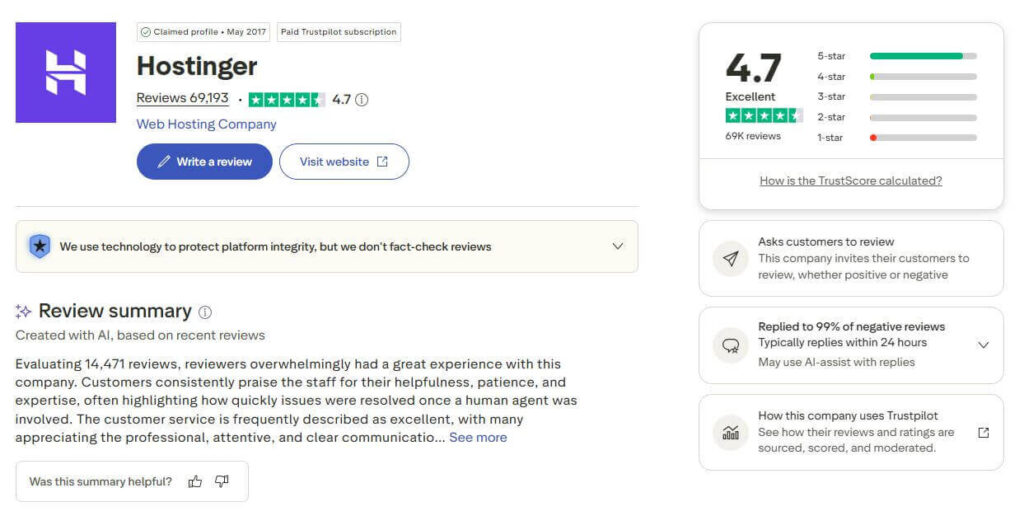
For beginners, I recommend Hostinger because it offers excellent performance, beginner-friendly tools, and affordable pricing. They have been voted maximum as most popular web hosting for beginners on trustpilot.com with more than 70,000 reviews by real customers.
Here are a few tips to get started:
- Choose a short and memorable domain name. Ideally, it should be easy to spell, easy to remember, and end with .com.
- Avoid using numbers and hyphens. Simpler names are easier to brand and share.
- Use WordPress as your blogging platform. WordPress powers over 40% of all websites and gives you complete flexibility to grow your blog.
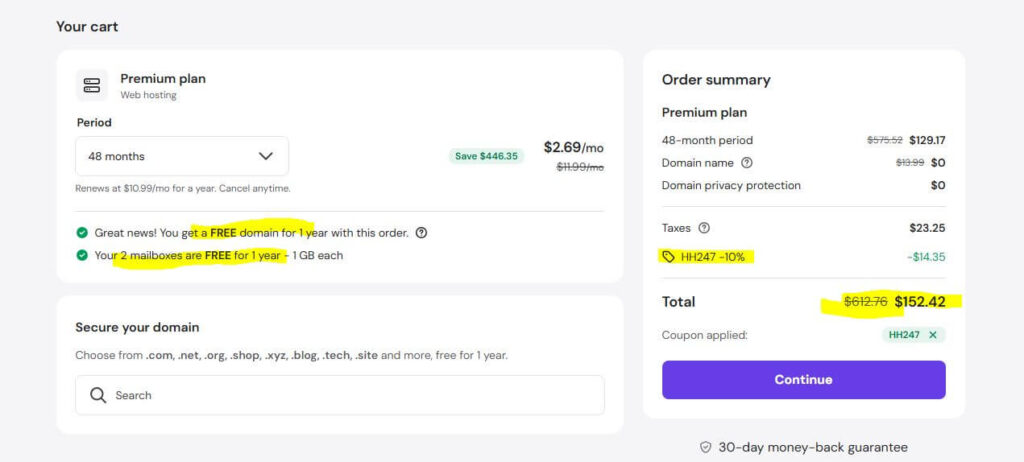
- Take advantage of Hostinger’s free domain offer. Most plans include a free domain name for one year.
- Enjoy beginner-friendly features, including:
- Free SSL certificate
- One-click WordPress installation
- AI website builder
- Fast SSD storage
- 24/7 customer support
Use Coupon Code HH247 for Extra Savings
Hostinger already offers generous discounts on its hosting plans. By using coupon code HH247, you can get an extra 10% OFF on top of the existing discount, making it one of the most affordable ways to launch your pet blog.
Step 3: Set Up Your Pet Blog
Once you’ve purchased hosting, setting up your blog takes only a few minutes. Hostinger makes the process extremely beginner-friendly, and you don’t need any technical knowledge.
Here’s what you’ll need to do:
- Claim your free domain name and complete the registration process.
- Install WordPress with one click. Simply choose WordPress during setup and create your login credentials.
- Configure your basic website information, including your site title and tagline.
- Access your WordPress dashboard and familiarize yourself with the interface.
- Follow the video tutorial below to complete the entire setup process step by step.
Get an Extra 10% OFF With this Hostinger Coupon Code HH247
Hostinger already offers significant discounts on its hosting plans. By using the coupon code HH247, you can claim an additional 10% OFF on top of the existing discount, making it one of the cheapest ways to start a professional blog.
Step 4: Configure Basic WordPress Settings for Your Pet Blog
Before publishing your first article, it’s important to configure a few essential settings. These small changes will improve your blog’s SEO, speed, and overall user experience.
Here are the most important things to do:
- Set SEO-friendly permalinks by choosing the “Post Name” structure under Settings → Permalinks.
- Install an SEO plugin like Rank Math to optimize your content and generate XML sitemaps.
- Connect Google Analytics and Google Search Console to track traffic and monitor your blog’s performance.
- Generate and submit your XML sitemap to help search engines discover your content faster.
- Install a caching plugin such as LiteSpeed Cache or WP Rocket to improve loading speed.
- Create essential pages, including:
- About Us
- Contact Us
- Privacy Policy
- Disclaimer
- Terms and Conditions
- Make sure search engines can index your website by checking the Reading settings in WordPress.
These basic configurations only take a few minutes but will help lay a strong foundation for your pet blog.
Step 5: Design Your Pet Blog
A beautiful website doesn’t have to be complicated. In fact, most successful pet blogs use simple, clean designs that prioritize readability and speed.
Remember:
Content makes money, not fancy designs.
Here are some tips to design your pet blog the right way:
- Choose a fast WordPress theme. Your theme affects website speed, mobile responsiveness, user experience, and SEO performance. Some of the best free themes for pet blogs include GeneratePress, Astra, and Kadence.
- Keep your design simple. Avoid adding too many widgets, animations, popups, or ads. Instead, focus on clean navigation, readable fonts, plenty of white space, and fast-loading pages.
- Make your website mobile-friendly. More than half of your visitors will come from smartphones, so ensure your blog looks good on all devices, loads quickly, and uses responsive layouts.
- Create an attractive homepage. Your homepage should clearly explain what your blog is about and who it’s for. You can also feature popular posts, recent articles, categories, and an email newsletter signup form.
Don’t worry about making everything perfect from day one. You can always redesign your website as your blog grows.
Step 6: Plan Your Pet Blog Content
Most new bloggers fail because they publish random articles without any strategy. Instead, focus on creating content that solves problems, answers questions, and helps pet owners make informed decisions.
Here are the five types of content every successful pet blog should publish:
- Product reviews. These are some of the easiest posts to monetize through affiliate marketing. Examples include “Best Dog Food for Puppies” or “Best Cat Litter for Small Apartments.”
- How-to guides. People are constantly searching for solutions to pet-related problems. Articles like “How to Stop Your Dog From Barking at Night” or “How Often Should You Bathe a Cat?” can bring steady traffic for years.
- Comparison posts. Buyers often compare products before making a purchase. Posts such as “Purina vs Royal Canin” or “Pedigree vs Drools” usually have high conversion potential.
- Breed-specific content. Detailed guides for specific breeds can help you establish topical authority and rank for dozens of related keywords.
- Personal stories and experiences. Sharing your journey with your pet can help build trust and create a loyal audience.
You don’t need hundreds of articles to succeed. Instead, focus on publishing consistently. A good target for beginners is:
- 1–2 articles per week if blogging part-time.
- 3–5 articles per week if you’re serious about growing faster.
Remember, quality always matters more than quantity.
Step 7: Drive Traffic to Your Pet Blog
Publishing great content is only half the battle. To make money from your pet blog, you need readers. Fortunately, pet blogs have several excellent traffic sources in 2026.
Here are the best ways to drive visitors to your website:
- Focus on SEO first. Search engine optimization is the most reliable long-term traffic source. By targeting low-competition keywords and publishing helpful content, you can attract free traffic from Google for years.
- Leverage Pinterest. Pet content performs exceptionally well on Pinterest. Eye-catching images, infographics, and pet tips can drive thousands of monthly visitors to your blog.
- Build an audience on Instagram and TikTok. Short videos featuring pet care tips, funny moments, or training hacks can help you reach a wider audience and build a community around your blog.
- Start building an email list from day one. Social media algorithms change, but your email subscribers belong to you. Offer free checklists, guides, or printable resources to encourage visitors to subscribe.
- Engage in relevant communities. Facebook groups, Reddit communities, and pet forums can help you connect with like-minded pet owners and attract your first readers.
If I had to start a pet blog from scratch today, I’d spend most of my time on SEO.
Why?
Because SEO traffic is:
- Free
- Highly targeted
- Consistent
- Long-lasting
Unlike social media posts that disappear quickly, a well-ranked blog post can continue bringing visitors and generating income for years.
That’s why SEO should be your biggest traffic source, especially during the first few years of your blogging journey.
5 Ways to Make Money from Your Pet Blog in 2026
One of the biggest advantages of pet blogging is that you can diversify your income. Most successful pet bloggers combine multiple monetization methods instead of relying on a single source.
Here are the best ways to monetize your pet blog in 2026:
- Affiliate Marketing: Recommend pet products and earn commissions whenever readers purchase through your affiliate links. Popular programs include Amazon Associates, Chewy, Petco, and PetSmart.
- Display Advertising: Earn passive income by displaying ads on your website. Beginners can start with Google AdSense and later move to premium networks like Ezoic, Mediavine, or Raptive for higher earnings.
- Sponsored Posts and Brand Collaborations: As your blog grows, pet brands may pay you to review products, publish sponsored articles, or promote their services through social media and email newsletters.
- Sell Digital Products: Create and sell eBooks, pet care guides, training courses, printable checklists, meal plans, or premium memberships. Digital products offer excellent profit margins because they can be sold repeatedly.
- Launch Your Own Pet Products: Many successful bloggers eventually build ecommerce businesses around their audience by selling pet accessories, toys, treats, merchandise, or subscription boxes.
How Much Can You Realistically Earn?
Your earnings will depend on traffic, content quality, SEO strategy, and monetization methods. Here’s what many pet bloggers typically experience:
| Blogging Timeline | Potential Monthly Earnings |
|---|---|
| First 6 Months | $0 – $100 |
| 6–12 Months | $100 – $500 |
| Year 1–2 | $500 – $3,000 |
| 2+ Years | $2,000 – $10,000+ |
Pet blogging isn’t a get-rich-quick scheme. However, with consistent publishing, SEO, and the right monetization strategy, it can become a highly rewarding long-term online business.
Frequently Asked Questions
Is Pet Blogging Profitable in 2026?
Yes, pet blogging is still profitable in 2026. The global pet care industry is worth hundreds of billions of dollars, and pet owners continue to spend money on food, healthcare, toys, insurance, and accessories. Bloggers can monetize their websites through affiliate marketing, display ads, sponsorships, and digital products.
How Much Does It Cost to Start a Pet Blog?
You can start a professional pet blog for less than $50 to $100 per year. Your main expenses include domain registration and web hosting. Many hosting providers, such as Hostinger, offer a free domain name and affordable plans, making it easy for beginners to get started.
How Long Does It Take to Make Money From a Pet Blog?
Most bloggers don’t make money immediately. Typically, it takes six to twelve months to earn the first affiliate commissions. With consistent publishing and SEO efforts, many pet blogs start generating meaningful income within one to two years.
How Much Can a Pet Blog Earn?
Pet blog income varies depending on traffic and monetization methods. A small blog may earn a few hundred dollars per month, while established websites with strong search traffic can generate several thousand dollars monthly. Some authority pet blogs even earn six or seven figures annually.
Do I Need to Own a Pet to Start a Pet Blog?
No, owning a pet isn’t mandatory. However, having personal experience with a particular type of pet can help you create more authentic and helpful content. If you don’t own a pet, you can still succeed by conducting thorough research and sharing valuable information from trusted sources.
Is WordPress the Best Platform for Starting a Pet Blog?
Yes, WordPress is widely considered the best platform for pet bloggers. It offers complete control, thousands of themes and plugins, excellent SEO capabilities, and the flexibility to expand your blog into an ecommerce store or membership website in the future.
How Many Blog Posts Do I Need Before I Start Seeing Traffic?
There’s no fixed number, but most successful bloggers recommend publishing at least 30 to 50 high-quality articles during the first few months. Consistently creating helpful content and targeting low-competition keywords can significantly improve your chances of getting traffic from Google.
What Are the Best Ways to Get Traffic to a Pet Blog?
Search engine optimization (SEO) is the most reliable long-term traffic source. In addition to SEO, pet bloggers can drive visitors through Pinterest, Instagram, TikTok, Facebook groups, email marketing, and guest posting on other websites.
Can I Start a Pet Blog Using AI Tools?
Yes, AI tools can help with brainstorming ideas, creating outlines, and improving content. However, relying entirely on AI-generated articles isn’t recommended. Combining AI assistance with personal experience, original insights, and human editing produces the best results and helps build long-term authority.
What Are the Best Affiliate Programs for Pet Bloggers?
Some of the best affiliate programs for pet bloggers include Amazon Associates, Chewy, Petco, PetSmart, and pet insurance companies. These programs allow you to earn commissions by recommending products and services that pet owners already purchase regularly.
Conclusion: Start Your Pet Blog Today
Starting a pet blog in 2026 is easier than ever. With the pet industry continuing to grow and millions of pet owners searching for information online every day, there’s plenty of opportunity to turn your passion into a profitable online business.
The key is to start with a focused niche, publish helpful content consistently, and think long term. You don’t need to compete with giant websites like PetMD or Dogster from day one. Even a small niche blog can grow into a valuable digital asset over time.
To recap, here’s the roadmap:
- Choose a profitable pet niche.
- Buy a domain name and web hosting.
- Set up your WordPress blog.
- Publish valuable content consistently.
- Drive traffic using SEO and social media.
- Monetize with affiliate marketing, ads, and digital products.
If you’re serious about starting a pet blog, I recommend using Hostinger. It’s beginner-friendly, affordable, and includes everything you need to launch your website, including a free domain name, free SSL, and one-click WordPress installation.
Why Choose Hostinger?
- Affordable plans for beginners
- Free domain for one year
- Free SSL certificate
- WordPress-optimized hosting
- Fast loading speeds
- 24/7 customer support
- Easy-to-use dashboard
Get an Extra 10% OFF With Coupon Code HH247
Hostinger already offers significant discounts on its hosting plans. By using the coupon code HH247, you can claim an additional 10% OFF on top of the existing discount, making it one of the cheapest ways to start a professional blog.
👉 Start Your Pet Blog with Hostinger and Use Coupon Code HH247 for Extra Savings
Remember, every successful pet blog started with a single article. The best time to start was yesterday. The second-best time is today. So, pick your niche, launch your website, and start building your pet blogging journey.